ABOUT THE MADONNELLE DI ROMA PROJECT
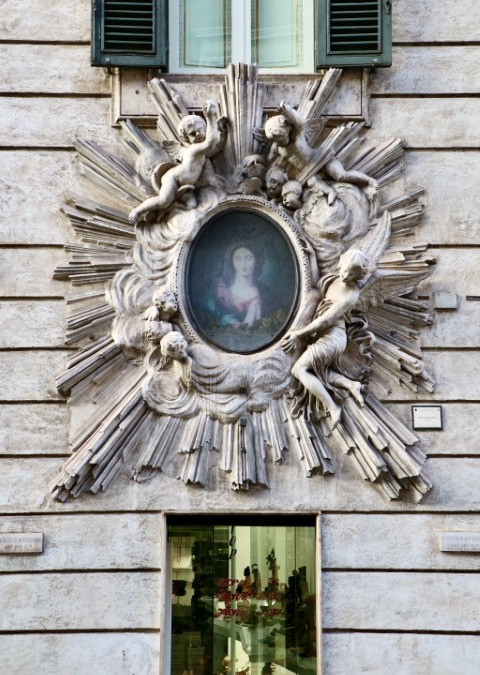
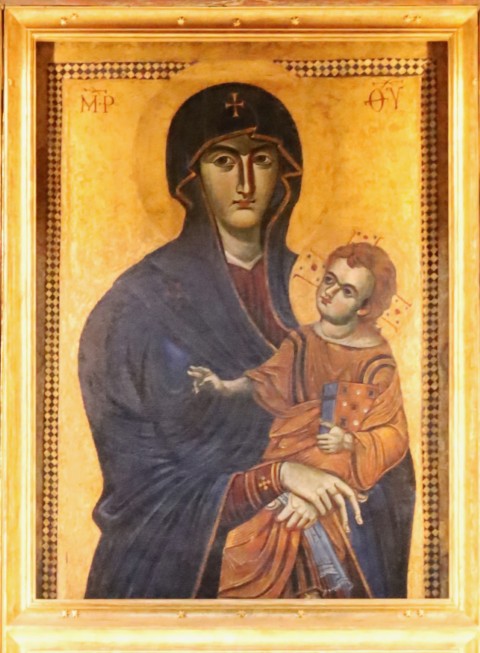
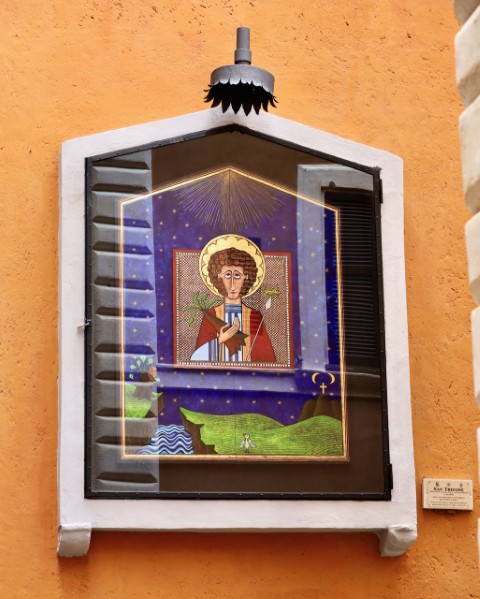
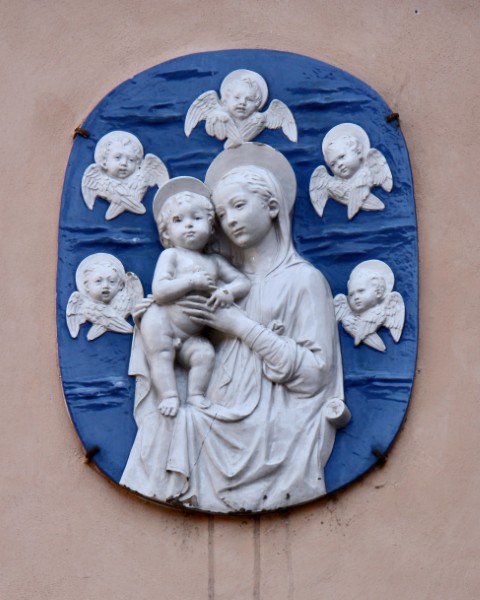
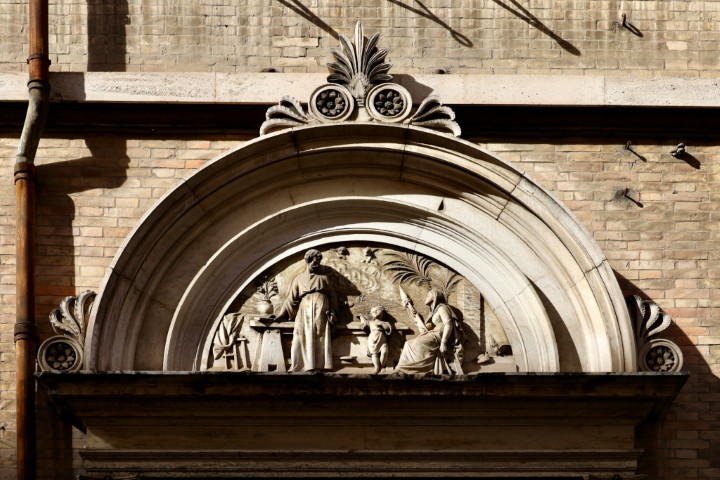
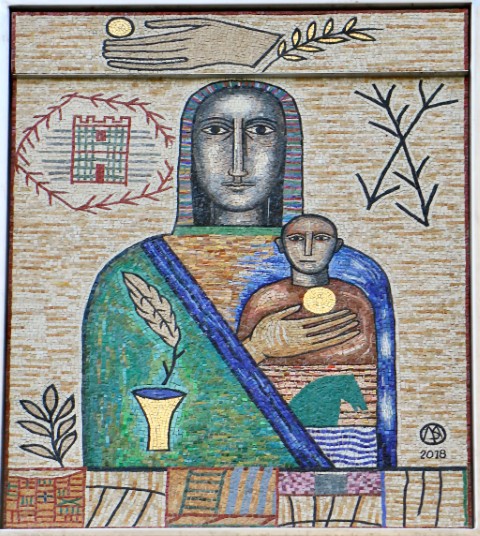
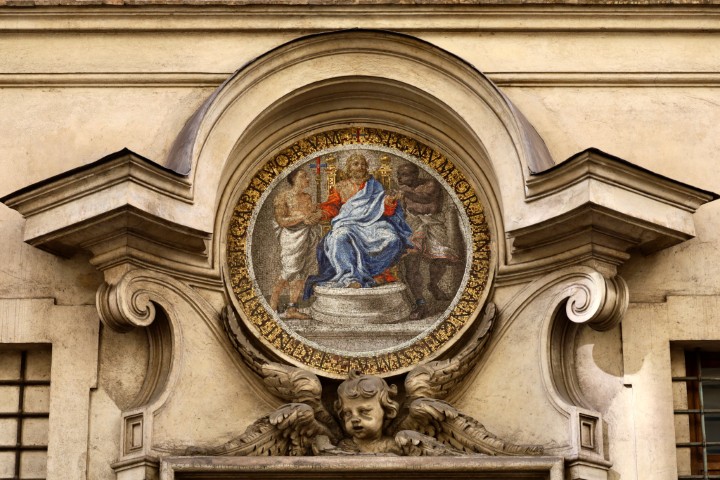
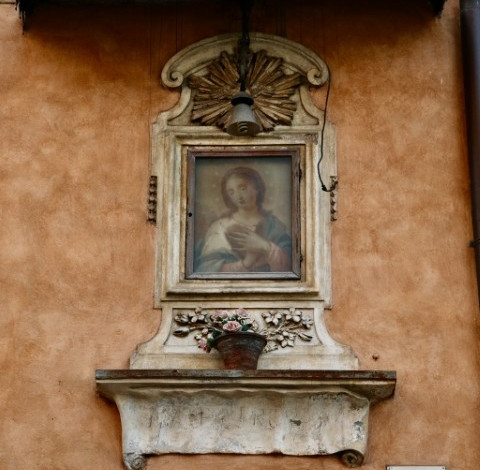
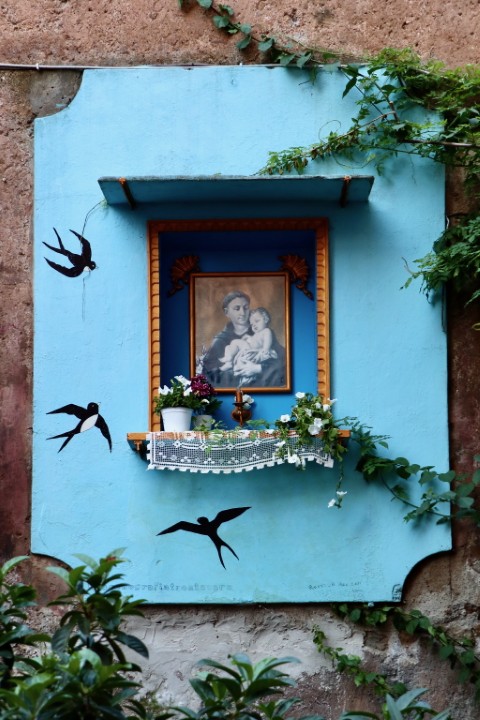
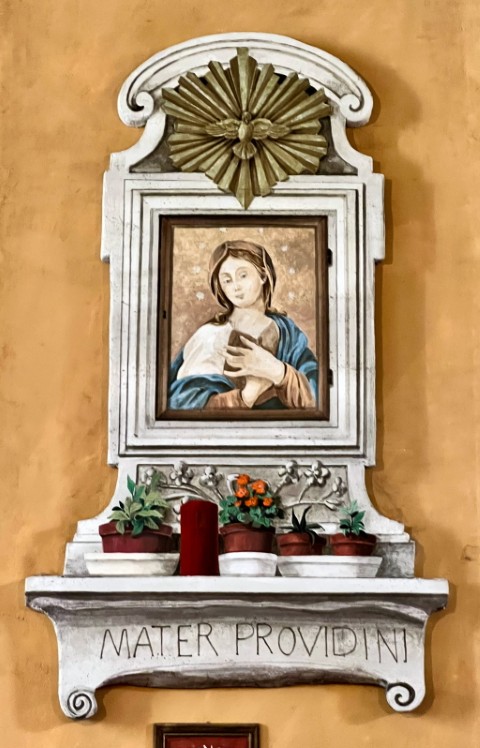
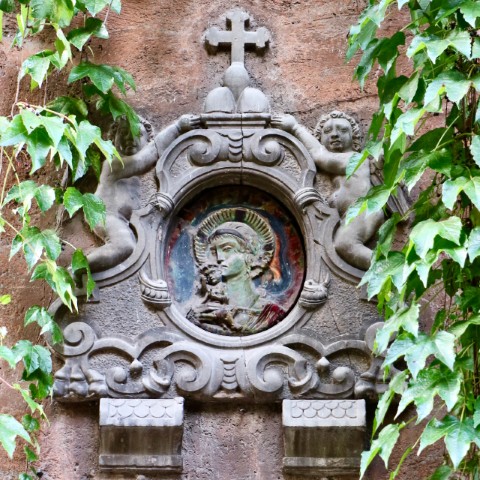
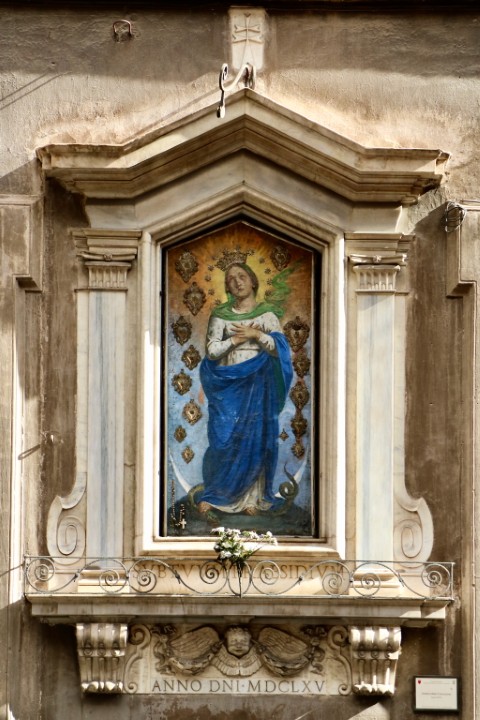
Among Rome’s most ubiquitous and compelling sights are the city’s Madonnelle—popular street shrines that, as their name suggests, predominantly contain images of the Virgin Mary, though they could also include Christ, saints, or other religious figures and patrons. They appear on houses, palaces, street corners, above doorways and windows, not to mention more conventional places such as church facades and they are unmissable because they are often framed in lavish, eye-catching niches, topped by canopies, or surrounded by extravagant, radiating whiteen beams and sculpted angels. As a form of street art, the Madonnelle are witness to the power of imagery on the lives of the people that encounter them.
Like the broader category of street art, the democratic nature of the Madonnelle requires no curation or control, and invites no exclusivity. Indeed, they are available to all who live in the neighborhood, or merely pass through, and they have provided comfort, wonder, and joy for centuries. Their enduring power is evident in the shrines that are still cared for and offered gifts of thanks, and by the appearance of new interpretations and iconographies in twenty first-century instances. This became apparent in recent years, as Madonnelle tend to proliferate in troubled times when plague, war, and impending disaster cause anxiety. At once, they offer connection to and comfort from the Divine.
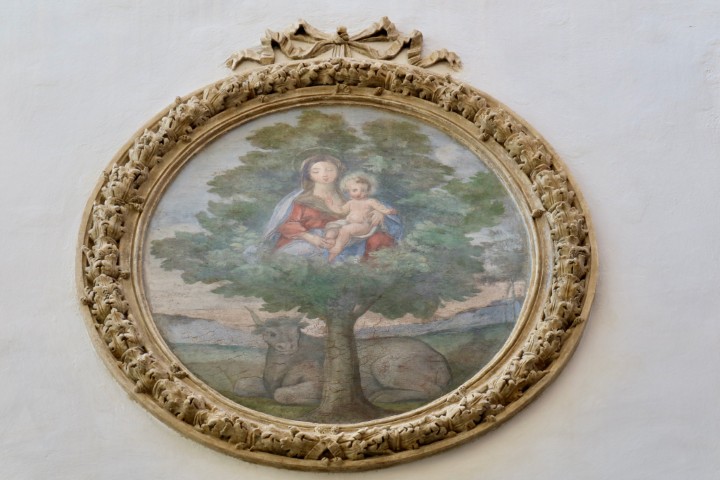
Today, within the Aurelian Walls, there are more than 800 Madonnelle. As the subject of local devotion, they are included in annual festivals and pilgrimages, said to perform miracles, and, thus, fully integrated into the life of the city; and even for the non-religious, they attract attention for their beauty, variety, and history. All told, Madonnelle reflect important spiritual, political, and artistic facets of the Eternal City. Our Madonnelle di Roma project began in 2008 as an effort by Charlotte Bialek to photograph, map, and record in a database as many Madonnelle as possible. In 2023, Nicola Camerlenghi and students at Dartmouth College joined the project. We began to use Charlotte’s map, data, and images as a basis for research into the Madonnelle and are now expanding our understanding of their history. For example, the team is plotting and recording the 1,421 Madonnelle published by Alessandro Rufini in 1853, which appear in yellow on our map and database. Soon, we foresee offering an annotated transcription alongside an English translation of Rufini’s work. To enrich the website, students and scholars curated “Perspectives” (found at top right) that consider urban pathways in relation to the Madonnelle as well as specific Marian iconographies. Our aim is to continue enlisting individuals in the United States and elsewhere to expand our research.